
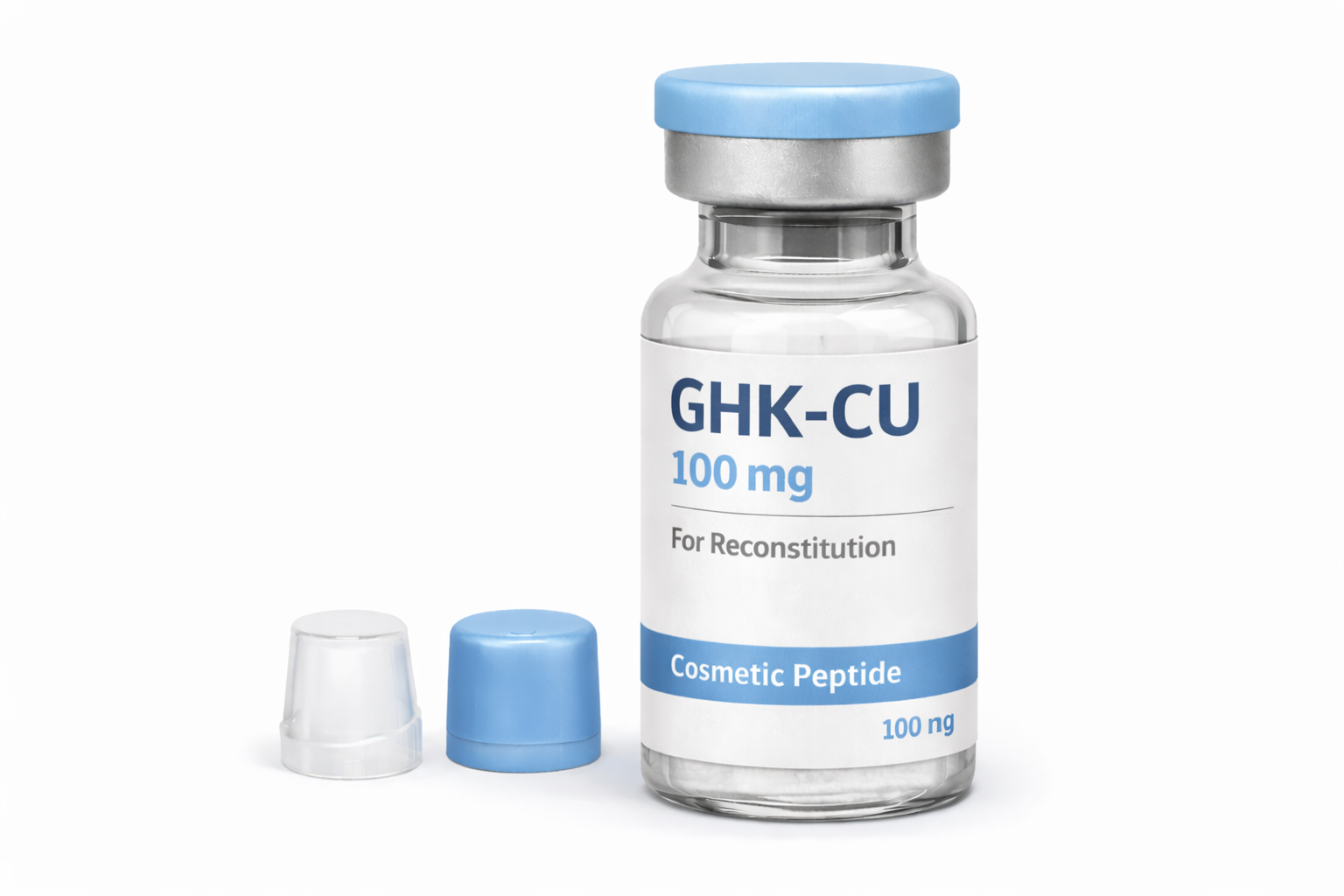
What is GHK-Cu Peptide?
The tripeptide complex GHK-Cu, which is naturally present in human plasma, is made up of copper-bonded glycine, histidine, and lysine. This peptide is essential for skin health and repair since it increases the production of collagen, which improves the firmness and flexibility of the skin.
Its anti-inflammatory qualities facilitate quicker wound healing and lessen skin irritation. Additionally, GHK-Cu helps alleviate hair thinning by stimulating hair follicles, which promotes hair growth. ghk-cu buy australia
GHK-Cu is widely used in therapeutic and cosmetic applications and is prized for its anti-aging properties, providing complete skin rejuvenation and helping to create healthier, younger-looking skin.
Molecular Formula: C14H24N6O4
Sequence: H-Gly-His-Lys-OH
Molecular Weight: 340.38 g/mol
Anti-Aging and Skin Regeneration
GHK-Cu’s anti-aging qualities are a reflection of its essential function in preserving tissue homeostasis and preventing the age-related loss of regenerative ability. Reduced skin thickness, decreased collagen density, and compromised wound healing responses are all correlated with the normal decrease in plasma GHK-Cu levels as organisms age. Through direct impacts on dermal architecture and cellular function, laboratory studies show that the administration of GHK-Cu in experimental tissue models can restore many of these age-related alterations. GHK-Cu treatment improves elasticity markers by 27%, increases dermal collagen content by 70%, and thickens the epidermis by 20% in aged tissue models. The peptide’s capacity to revive latent stem cell populations and reestablish the molecular signaling networks that preserve tissue integrity is what causes these changes.
The complex regulation of gene expression patterns that prioritize tissue maintenance and repair over age-related degeneration is the molecular mechanism behind GHK-Cu’s anti-aging benefits. GHK-Cu treatment reverses the expression of more than 70% of genes that become dysregulated with age in skin tissue, according to gene array studies. In particular, the peptide upregulates protective genes like those encoding antioxidant enzymes, DNA repair proteins, and extracellular matrix components while downregulating inflammatory genes like interleukin-1β, tumor necrosis factor-α, and nuclear factor-κB. Instead of causing tissue degradation, this gene expression modification produces a more youthful cellular milieu that promotes continuous tissue repair.
Why Choose GHK-Cu Peptides?
Guaranteed Purity >99%: For optimal research validity, our peptides undergo spot testing on a rotating basis.
100 mg dosage: is a generous amount for lengthy research procedures.
Copper Complex Formula: Maximum bioactivity by optimized GHK-Cu ratio
Adaptable Uses: Fit for anti-aging, wound healing, and dermal studies
Possible Uses of GHK-Cu Peptide in Medicine
Enhances Collagen Synthesis
According to studies, GHK-Cu activates fibroblasts, the skin cells that produce collagen, which greatly increases collagen production and provides anti-aging advantages. As a result, more collagen is produced, which improves skin suppleness and lessens the appearance of wrinkles. Its potent antioxidant qualities shield skin cells from oxidative stress, which can hasten the aging process. Furthermore, GHK-Cu keeps the skin’s structural integrity intact by blocking enzymes such matrix metalloproteinases that degrade collagen. GHK-Cu is a crucial component in anti-aging skincare products because of these combined effects, which result in tighter, younger-looking skin.
Promotes Hair Growth
GHK-Cu stimulates hair follicles and improves blood flow to the scalp when used in a scalp serum therapy, ensuring that vital nutrients reach the follicles. It improves the environment for hair growth by lowering oxidative stress and inflammation. Furthermore, GHK-Cu increases the formation of collagen, which strengthens the scalp, increases the size of hair follicles, and promotes strong hair structure.
Accelerates Wound Healing
Glycyl-L-histidyl-L-lysine copper, or GHK-Cu, speeds up wound healing in a number of ways. It promotes the development of skin cells that are essential for tissue regeneration, such as fibroblasts and keratinocytes. GHK-Cu gives healed tissues structural support by increasing the formation of collagen. Its anti-inflammatory properties lessen swelling and encourage a healing environment. Additionally, the peptide stimulates angiogenesis, which creates new blood vessels that provide the wound with vital nutrients and oxygen. Its antibacterial activities reduce the danger of infection, and its antioxidant qualities shield cells from oxidative stress. GHK-Cu is a useful component in skincare products for wound healing because of these combined effects.
Benefits of GHK-Cu
Collagen & Elastin Synthesis Study: Analyzing its function in boosting the synthesis of important dermal proteins, which are helpful for investigations into the molecular reversal of photoaging and enhancing tissue elasticity in cellular models, is a major area of study.
Potent Wound Healing Mechanism: extensively researched for its capacity to speed up tissue repair through pre-clinical investigations that modulate the gene expression of wound-healing indicators and increase localized growth factors.
Anti-Oxidant Defense Analysis: utilized as an important substance to study its anti-inflammatory and anti-oxidant properties, minimizing tissue damage and reducing oxidative stress in inflammatory experimental systems.
Hair Follicle Viability Research: examined in relevant cell or animal models for its capacity to promote hair growth and enhance follicle size and vitality.
Gene Expression Modulation: Research indicates the possibility of affecting the expression of genes linked to cellular repair processes and tissue remodeling.
How GHK-Cu Works
Instead of working as a hormone or growth factor, GHK-Cu is a cell-signaling peptide that interacts with cells to control biological processes.
Gene Expression Modulation
Research suggests that GHK-Cu can influence the expression of genes involved in:
- Collagen and elastin production
- Tissue remodeling
- Inflammation regulation
- Cellular growth and repair
By modulating these genes, GHK-Cu may help promote healthier tissue structure and function.
side effects of GHK-Cu
In general, GHK-Cu is thought to be well tolerated, particularly when utilized in topical cosmetics. The majority of people have few negative effects because it is a peptide that is naturally present in the human body. However, depending on the formulation, concentration, and usage technique, adverse effects are still possible.
Common Side Effects
When applying GHK-Cu for the first time, especially on sensitive skin, these effects are more likely to be transient:
- Mild skin irritation
- Redness
- Itching or tingling
- Warm or burning sensation
- Dryness or tightness
Less Common Side Effects
- Skin discoloration (bluish or greenish tint in rare cases, due to copper content)
- Increased skin sensitivity
- Temporary breakouts or purging
- Rash in individuals with very sensitive skin
GHK-Cu Frequently Asked Questions
What products is GHK-Cu found in?
Numerous skin care, hair care, and nutritional supplements include the GHK-Cu peptide. Copper peptide serum is frequently found in vitamin C cream, moisturizers, eye and face serums, and some hyaluronic acid-containing formulas. It is crucial to review product ingredient lists or see a pharmacist. ghk-cu buy
What effects on the skin does GHK-Cu peptide products have?
As was previously mentioned, GHK-Cu has been well researched for its potential to prevent skin aging. It has been shown to increase skin thickness and density, lessen fine lines and wrinkles, especially those near the eyes, decrease big pores, and increase elasticity. Additionally, GHK-Cu may lessen the visibility of lesions and scars from acne. ghk-cu buy australia
Can GHK-Cu skin serum reduce the effects of UV radiation?
GHK-Cu skin serum has been shown in clinical trials to help lessen the effects of UV radiation. The peptide can help lessen the effects of UV exposure by promoting wound healing and reducing inflammation.
Reviews
There are no reviews yet.