
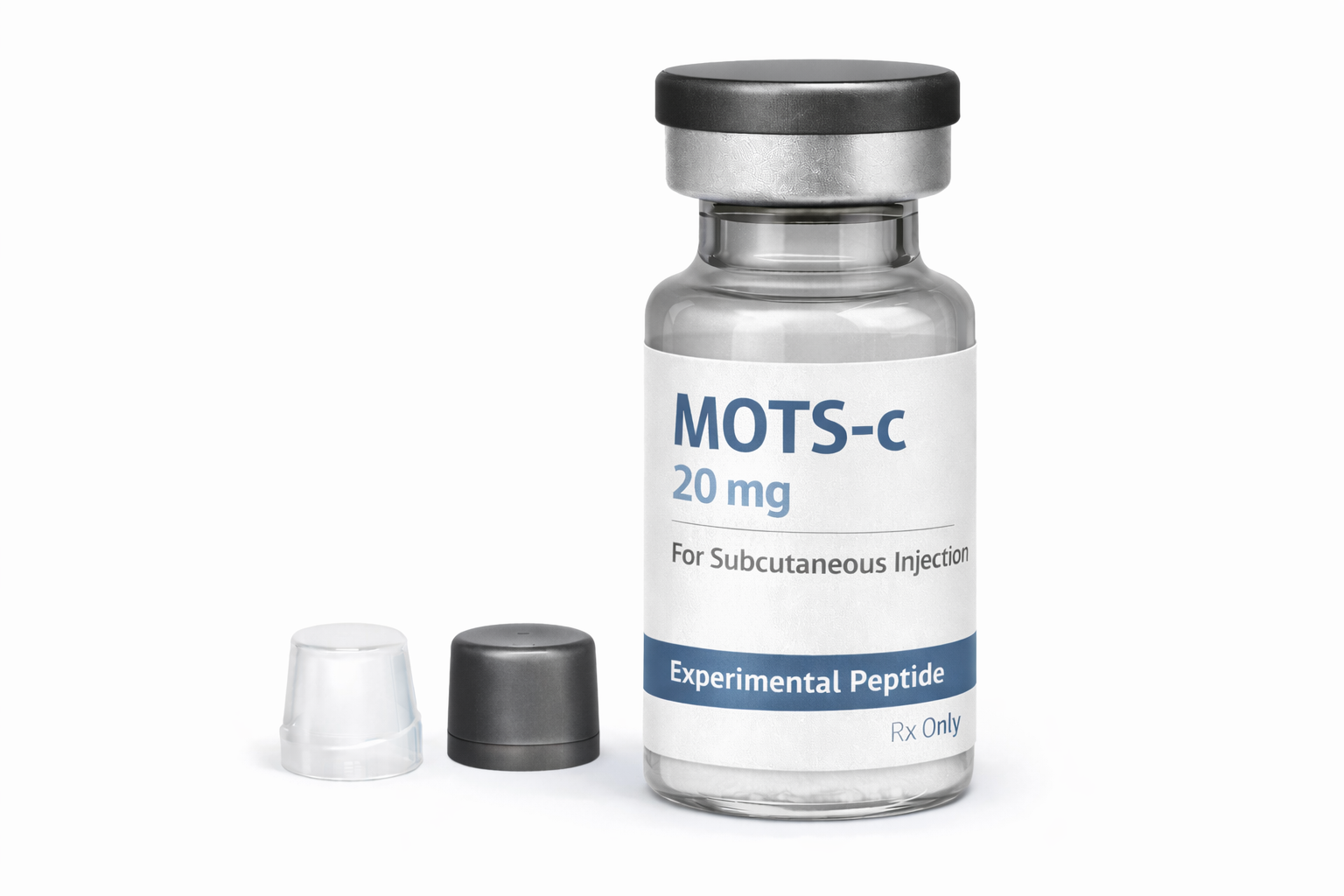
What is MOTS-c?
mots-c peptide australia .The 12S rRNA region of mitochondrial DNA encodes the 16-amino acid MOTS-c peptide, which is obtained from mitochondria. MOTS-c contributes to the regulation of cellular and whole-body metabolism as a member of a newly identified class of mitochondrial signaling peptides. Its functions in promoting insulin sensitivity, glucose consumption, and overall metabolic homeostasis have been demonstrated by studies conducted in cellular and animal models. MOTS-c is a topic of increasing scientific interest because it connects mitochondrial genome signaling to whole-body metabolic homeostasis in a novel way.
How This Works?
As a metabolic “stress signal,” MOTS-c aids in maximizing energy use during exercise or nutritional stress. The main way it works is by inhibiting the folate cycle, which activates AMPK and accumulates AICAR, an analog of AMP. By increasing glucose uptake, fatty acid oxidation, and mitochondrial respiration while decreasing fat storage and gluconeogenesis, activated AMPK puts cells into an energy-efficient mode.
Additionally, under stressful circumstances, MOTS-c can translocate to the cell nucleus and upregulate genes related to stress response and antioxidants. In order to help cells deal with oxidative stress, this retrograde transmission from mitochondria to the nucleus boosts the production of cytoprotective enzymes. According to research, MOTS-c may also influence inflammatory and mTOR pathways, which may have an impact on lifespan and healthspan.
Potential Benefits & Side Effects
Metabolic Health: Prevents diet-induced insulin resistance and enhances glucose metabolism and insulin sensitivity in mice models.
>Weight and Fat Reduction: By increasing energy expenditure and fat oxidation, it prevents obesity and lowers visceral fat in obese rats.
>Post-Menopausal Metabolism: Prevents insulin resistance and fat accumulation associated with menopause; lessens metabolic decline in ovariectomized rats.
>Physical Performance: Reduces age-related frailty and increases exercise capacity; older mice ran twice as long on treadmill tests.
>Organ protection: lessens the buildup of fat in the liver, enhances heart health, and may help with cognitive function in early research. mots-c peptide australia
>Bone and Immunity: In autoimmune diabetes models, it preserves pancreatic islet cells, controls immunological aging, and increases osteoblast activity while inhibiting osteoclast formation.
Safety: Human tolerance is unclear; preclinical investigations have shown no negative effects. In a Phase 1 trial, a modified analog (CB4211) demonstrated good tolerability.
How to Use MOTS‑c: Dosage, Frequency, and Timing
Usually given as a subcutaneous injection, MOTS-c cycles last between 2 and 4 weeks, depending on the objectives—metabolic reset, performance enhancement, or fat removal. Timing is important because it resembles pathways caused by exercise and hunger.
Recommended Dosage
The usual dosage is 5–15 mg per week, divided into 2–3 injections. The frequency of injections is 2–3 times each week (e.g., Monday, Wednesday, Friday).
• Injection technique: subcutaneous (abdomen, thigh, or flank area)
Cycle duration: 2-4 weeks on, followed by 2-4 weeks off
Beginners typically start with 5 mg per week and increase the dosage according to tolerance and response.
MOTS‑c Side Effects
However, it’s crucial to keep an eye out for any possible problems, just like with any exogenous substance that modifies metabolic signaling.
Commonly Reported Side Effects
Injection site irritation: Subcutaneous areas that are red, swollen, or slightly bruised
Mild fatigue or lethargy: Particularly during the initial phase of adjusting to mitochondrial AMPK activation
Changes in hunger: Some users report feeling less hungry, while others report feeling more hungry because of increased fat mobilization
Muscle cramping: Seldom occurs, possibly as a result of increased fatty acid metabolism and electrolyte shifts
benefits of MOTS-c
Diabetes: Type 2 diabetes is characterized by inefficient glucose uptake, and mitochondrial dysfunction may lead to two risk factors for the condition: decreased insulin production and insulin resistance. By addressing these risk factors, MOTS-c may be able to stop them before they start.
Cardiovascular health: Eliminating diabetes can significantly improve heart health because it is a cardiovascular risk factor. Another such risk factor is a high body fat percentage, thus if MOTS-c can prevent obesity, it can stop the beginning of a condition that affects over 80% of individuals with coronary heart disease.
>Longevity: Given the connection between inflammation, aging, and high-risk age-related conditions (such as cardiovascular disease and atherosclerosis), MOTS-c may have a long-term positive impact on longevity.
Cognitive function: According to a 2022 review that was published in Progress in Neurobiology, neuroprotective techniques can make use of “metabolic modulators,” which MOTS-c is, and exercise, which MOTS-c mimics. In preclinical research, at least, that has been the case.
Remember that these downstream consequences are mostly speculative because they rely on deduction.
Storage
Therapeutic peptides should be refrigerated at about 4°C, or 39°F, after reconstitution. In these circumstances, peptides should last for one month. Since the vial will most likely have a self-healing stopper—a rubber cap that seals around any punctures caused with a needle—there is typically no need to move the peptide to an air-safe container. mots-c peptide australia
Conclusion
A distinct peptide generated from mitochondria, MOTS-c has demonstrated encouraging potential in preclinical studies concerning aging, cellular stress response, and metabolic regulation. It differs from many other peptides in that it can affect energy balance and facilitate communication between the nucleus and mitochondria.

Reviews
There are no reviews yet.