
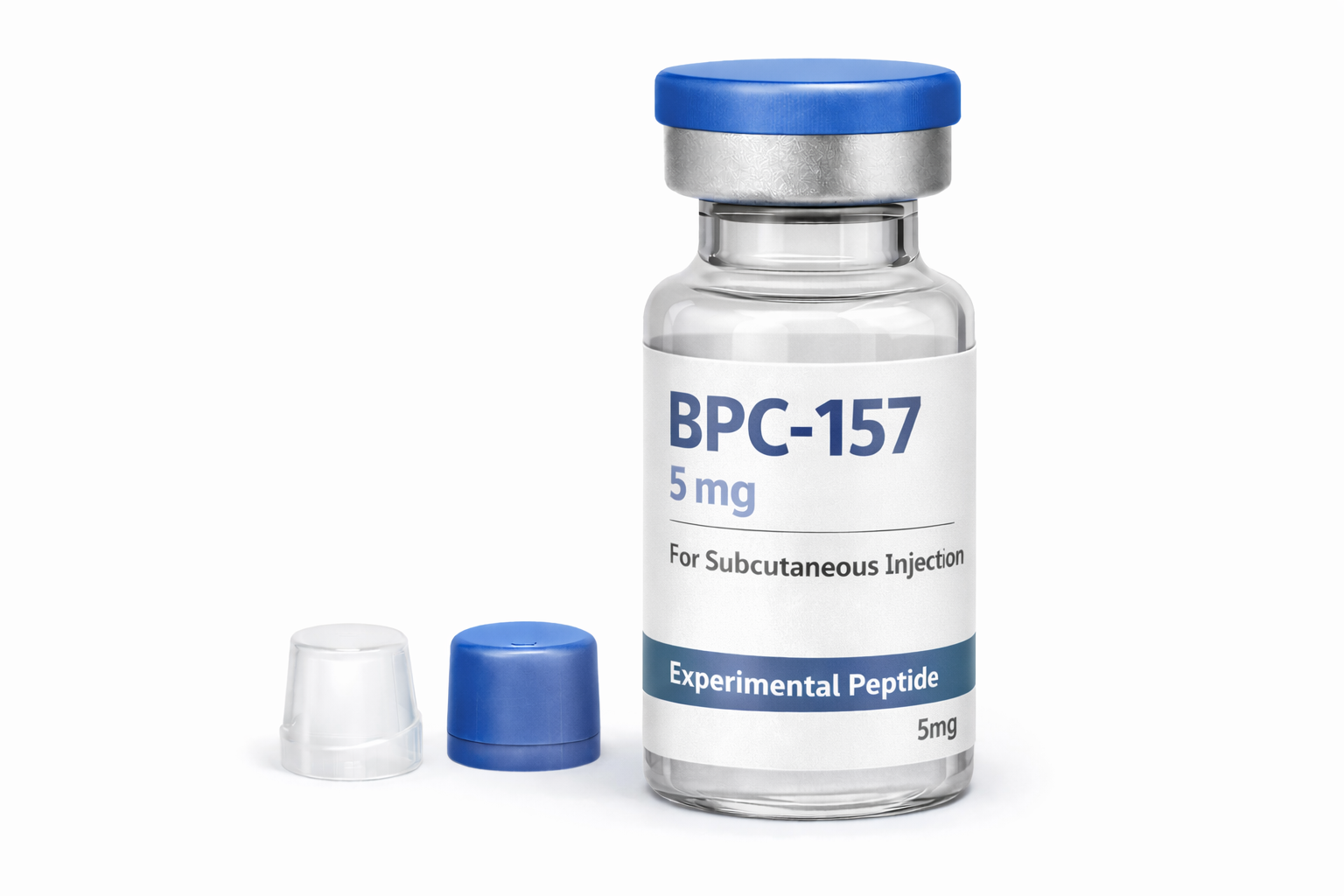
BPC-157: A Comprehensive Overview
.The synthetic peptide known as BPC-157, or Body Protection Compound-157, has drawn more and more interest from the scientific and research communities due to its possible functions in tissue healing, inflammation control, and digestive system support. BPC-157, which is derived from a naturally occurring protein present in human stomach juice, has been extensively investigated in preclinical settings and is frequently addressed in relation to regeneration and recovery-focused research. bpc-157 australia price
It is crucial to realize that BPC-157 is still an investigational chemical despite increased interest. The U.S. Food and Drug Administration (FDA) and other significant regulatory bodies have not authorized it for use in clinical or therapeutic settings. Large-scale human clinical trials are still few, and the majority of the evidence that is now available comes from studies conducted in labs and on animals.
What Is BPC-157?
BPC-157 has 15 amino acids, making it a pentadeca peptide. It comes from a partial sequence of a protein found naturally in gastric juice, where it contributes to the preservation of the gastrointestinal lining’s integrity.
Because of this peptide’s apparent stability and its role in biological processes that are both protective and restorative, researchers isolated it. BPC-157 is a unique subject of study since, in contrast to many peptides that break down fast, it has demonstrated a considerable resistance to breakdown in hostile environments, such as the acidic conditions of the stomach. bpc-157 australia buy
Scientific Research
These investigations have demonstrated encouraging results in a number of injury, inflammation, and tissue damage models. bpc-157 australia buy
Researchers are still investigating its possible uses in:
- Regenerative medicine
- Wound healing research
- Inflammatory condition studies
- Gastrointestinal protection models
Administration & Dosage
BPC-157 doses in research settings typically fall between 200 and 500 micrograms (mcg) per day. Doses of 10 micrograms per kilogram (μg/kg) or 10 nanograms per kilogram (ng/kg) body weight, given once or twice daily, are frequently used in preclinical research. The peptide can be injected intraperitoneally, subcutaneously, intramuscularly, intravenously, or orally, among other methods. Less than 30 minutes is the half-life after intravenous or intramuscular dosing, suggesting quick removal from circulation.
A human pilot study conducted in 2025 assessed the intravenous infusion of BPC-157 at dosages of 10 mg and 20 mg in two adults; the peptide was well-tolerated and showed no negative effects on cardiac, hepatic, renal, thyroid, or glycemic biomarkers.
Future Research Outlook
Clinical trials in the future could shed light on its function in:
- Regenerative therapies
- Gastrointestinal health
- Injury recovery
- Inflammation management
BPC-157 may provide important new information for regenerative medicine research if subsequent human investigations validate present findings.
BPC-157 DP Side Effects and benefits
Although BPC-157 is usually well accepted, some individuals may have mild adverse effects like nausea or stomach discomfort. Prior to beginning any new supplement program, always get medical advice.
Potential benefits of BPC-157 DP include:
- Faster muscle recovery and reduced soreness post-workout
- Improved gut health and digestion
- Enhanced brain function and mood
- Potential anxiety and stress reduction
Conclusion
The ground-breaking vitamin BPC-157 DP has enormous potential for gut health, stress reduction, and muscle rehabilitation. It’s understandable that fitness lovers are gushing about this innovative peptide given its special mix and potential advantages. bpc-157 australia price
Reviews
There are no reviews yet.